PETERBILT 2398584 Radiator Tank 386
fits make: Peterbilt. year: 2008.
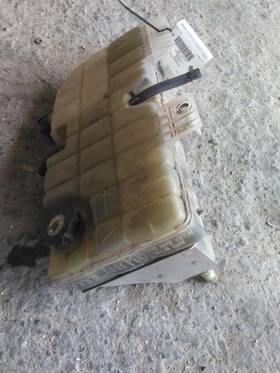
( Manufacturer Part Number: 2398584 ), ( Type: Radiator Overflow Tank )
Review PETERBILT 386 Radiator Overflow Tank fits 2008
The Peterbilt 2398584 386 Radiator Tank, manufactured for the model year 2008, is a vital component of your truck's cooling system. This radiator tank is designed specifically for Peterbilt 386 models and is known for its durability and reliability.
The tank is made from high-quality materials, ensuring resistance to corrosion and rust, even under harsh operating conditions. Its capacity is well-suited for the cooling demands of the 2008 Peterbilt 386, providing sufficient liquid to maintain optimal engine temperature.
The tank features a robust design, with sturdy mounting brackets that ensure a secure fit and minimize vibration. The shape and size of the tank allow for efficient cooling, with adequate space for the radiator and hoses.
The tank is also equipped with a pressure relief valve, which prevents overpressure build-up in the cooling system, protecting your engine from potential damage. The valve is designed to open and close smoothly, ensuring reliable operation.
In terms of appearance, the tank has a sleek, streamlined design that integrates seamlessly with the overall look of your Peterbilt 386. The tank is coated with a protective finish that resists fading and scratching, maintaining its appearance over time.
In conclusion, the Peterbilt 2398584 386 Radiator Tank is a reliable and durable component that is essential for the proper functioning of your truck's cooling system. Its high-quality materials, robust design, and reliable pressure relief valve make it a wise investment for any Peterbilt 386 owner.
Pros of buying Peterbilt 2398584 386 Radiator Tank (2008):1. Reliability: Peterbilt is a well-known brand in the heavy-duty truck market, known for its durability and reliability.
2. Compatibility: This specific radiator tank is a direct replacement for the original part, ensuring a perfect fit and function.
3. Availability: Replacing a radiator tank is a common maintenance task, and the availability of this part ensures that repairs can be made promptly, reducing downtime.
4. Cost-effective: While the upfront cost of the part may be high, the cost of a radiator leak or failure can be much higher. Replacing the part now can save money in the long run.
Cons of buying Peterbilt 2398584 386 Radiator Tank (2008):1. Cost: The part is relatively expensive compared to some aftermarket alternatives.
2. Installation: Installing the part may require specialized tools and technical knowledge, depending on the user's skill level.
3. Complexity: The radiator system is a complex part of the truck's cooling system, and a faulty part can lead to additional repairs or replacements.
Conclusion:While the Peterbilt 2398584 386 Radiator Tank (2008) may be expensive, the reliability and compatibility of the part make it a worthwhile investment for a heavy-duty truck owner. The cost of a faulty radiator tank can be much higher in terms of repair costs and downtime, so replacing the part now can save money in the long run. However, it is important to ensure that the part is installed correctly to avoid additional repairs or replacements.
Recommendation:If you are a heavy-duty truck owner and are in need of a new radiator tank, the Peterbilt 2398584 386 Radiator Tank (2008) is a reliable and compatible option. While the upfront cost may be high, the cost savings in terms of repair costs and downtime make it a worthwhile investment. However, it is important to ensure that the part is installed correctly to avoid additional repairs or replacements. If you are unsure about the installation process, it may be worth considering hiring a professional mechanic to ensure that the job is done correctly.
Details:
Bolt-On Radiators. The part fails or becomes defective due to the vehicle being involved in a collision. Must be documented. Electrical, electronic, and/or mechanical devices, such as; thermostat, sensors, gauges, sending units, water pump and devices used to monitor maintain optimal engine temperature, must be verified for proper operation.
Refer to the vehicle manufacturers. Owners Manual for correct operation and maintenance schedule. The installed heat tab is melted or removed. Find new, reconditioned, rebuilt, and used semi-truck parts for Class 5 through Class 8. The transmission fluid and filter are not replaced at time of installation with OEM recommended.
Appropriate maintenance receipts required. To validate the above warranty coverage, following measures must be undertaken upon replacement of Complete Radiators, Radiator Cores and/or Charge Air Coolers. Bumpers Peel Warranty. Or improper maintenance.
Limited 36-Month Warranty. Limited 12-Month Warranty. Excluding Bar Plate which carry a Limited Lifetime Warranty. The part is installed or operated in a vehicle outside of the USA Canada.
If you are unsure, ask. Bar Plate Charge Air Cooler. Some states do not allow exclusion or limitation of incidental consequential damages, so the above may apply to you. Failure is caused by or related to a collision, fire, theft, vandalism, riot, explosion, lightning, earthquake, windstorm, hail, water, freezing flood.
Limited 24-Month Warranty. Using the incorrect types and levels of fluids lubricants as outlined in vehicles Owners Manual. All external causes that can lead to electrolysis and/or corrosion must be verified and eliminated. Our climate control line for industrial and heavy duty vehicles includes Radiators, Radiator Cores, Condensers Charge Air Coolers.
Timing belts, water pump, thermostat, fluids and seals are routine maintenance items should be replaced at the time of installation vehicle manufacturers recommended service intervals. Warranty does not include cost associated with part removal, installation, inconvenience or consequential damages. Failure is caused by abuse, misuse, or modifications. Complete Industrial or HD Radiator.
Cooling system must be properly flushed and filled with new coolant mixture. Plastic Aluminum Radiators - Aftermarket. It is highly recommended to use distilled water and it mandatory for all aluminum cooling components. The vehicle is not serviced at proper intervals, or fuel/oil/coolant used in accordance with the manufacturers specifications.
Proper operation of the cooling and electrical system must be checked during installation products that can affected by those systems. Failure is caused by towing a trailer or other vehicle unless your equipped for this purpose as recommended the manufacturer.
part #: 2398584 price
- $158.47
specifications coenginecooling:
- for makes: Peterbilt
- for years: 2008
- mpn: 2398584
- type: Radiator Overflow Tank
seller coenginecooling:
- rating: 95.3%
- # reviews: 1377
- city: Wykoff, MN
returns coenginecooling:
- paid by: Buyer
- time: 30 Days
- policy: Returns Accepted
offer coenginecooling:
- sold: 0
- options: Ship-to-home
- quantity: 1
- started: August 18, 2024
- availability: In Stock
shipping coenginecooling:
- type: Fixed
- cost: $0.00
- class: Freight
- service: Flat Rate Freight
payments coenginecooling:
- wallet: Apple-pay
- other
- credit card: Discover
general coenginecooling:
- condition: Used
- Commercial Truck Parts > Engine Cooling > Other Engine Cooling
Peterbilt 2398584 Is Similar To:
- 01-070212 Bestfit Peterbilt High Performance Radiator All Metal With Flat Rate (38.5% similar) 500 inlet upper left height 34. Core DIMENSIONS36. This is a high performance dimpled tube 4 row core will out cool standard radiators. Residential delivery will incur extra charges. Peterbilt high performance dimpled tube 4 row radiator designed to fit 300 series trucks. 062 core thickness only ...(November 17th, 2018)
- 01-070242 Bestfit Peterbilt Radiator All Metal With Flat Rate Shipping (37.8% similar) Radiator is black but looks discolored in photos, it painted with only minor paint loss a few places. Residential delivery will incur extra charges. Peterbilt 330 series all metal radiator designed to fit model trucks. Minor fin damage due to storage and handling core DIMENSIONS34. 3 row design made...(November 17th, 2018)
- 07-05676a001 Peterbilt Upper Radiator Tank (48.5% similar) 1988 peterbilt 379 lo-flow upper radiator tank for Cummins system in good condition...(November 14th, 2018)
- 07-2286 Peterbilt Aluminum Radiator Bottom Tank (50% similar) It was removed from a running truck. I will combine shipping on multiple items. Very little corrosion. Not cracked. Up for offer is a used peterbilt 359 aluminum radiator tank top. It is in great condition...(June 10th, 2019)
- 1489377 Peterbilt Radiator (43.4% similar) This is a brand new radiator in open box. It fits different peterbilt and ken worth model's as shown in the last picture. Never was installed peterbilt ken worth radiator...(May 26th, 2019)
- 30.4014 Energy Suspension Peterbilt Radiator Support Bushing (37.6% similar) Peterbilt radiator support bushing lower. No return if bushings have been installed. Replaces part no. Made in America by energy suspension...(October 17th, 2018)
- 619-10364 Peterbilt Radiator Overflow Bottle (55.4% similar) ...(March 9th, 2019)
- 619-10365 Peterbilt Radiator Overflow Bottle (55.4% similar) ...(March 9th, 2019)
- 619-10412 Peterbilt Radiator Overflow Tank (64.6% similar) ...(June 20th, 2019)
- 770006 Peterbilt Radiator (43.9% similar) ...(November 10th, 2018)
- 770011 Peterbilt Radiator (43.9% similar) ...(November 9th, 2018)
